DHURSAN CONSTRUCTION

Information

How do I find reliable knockdown rebuild specialists in my area?

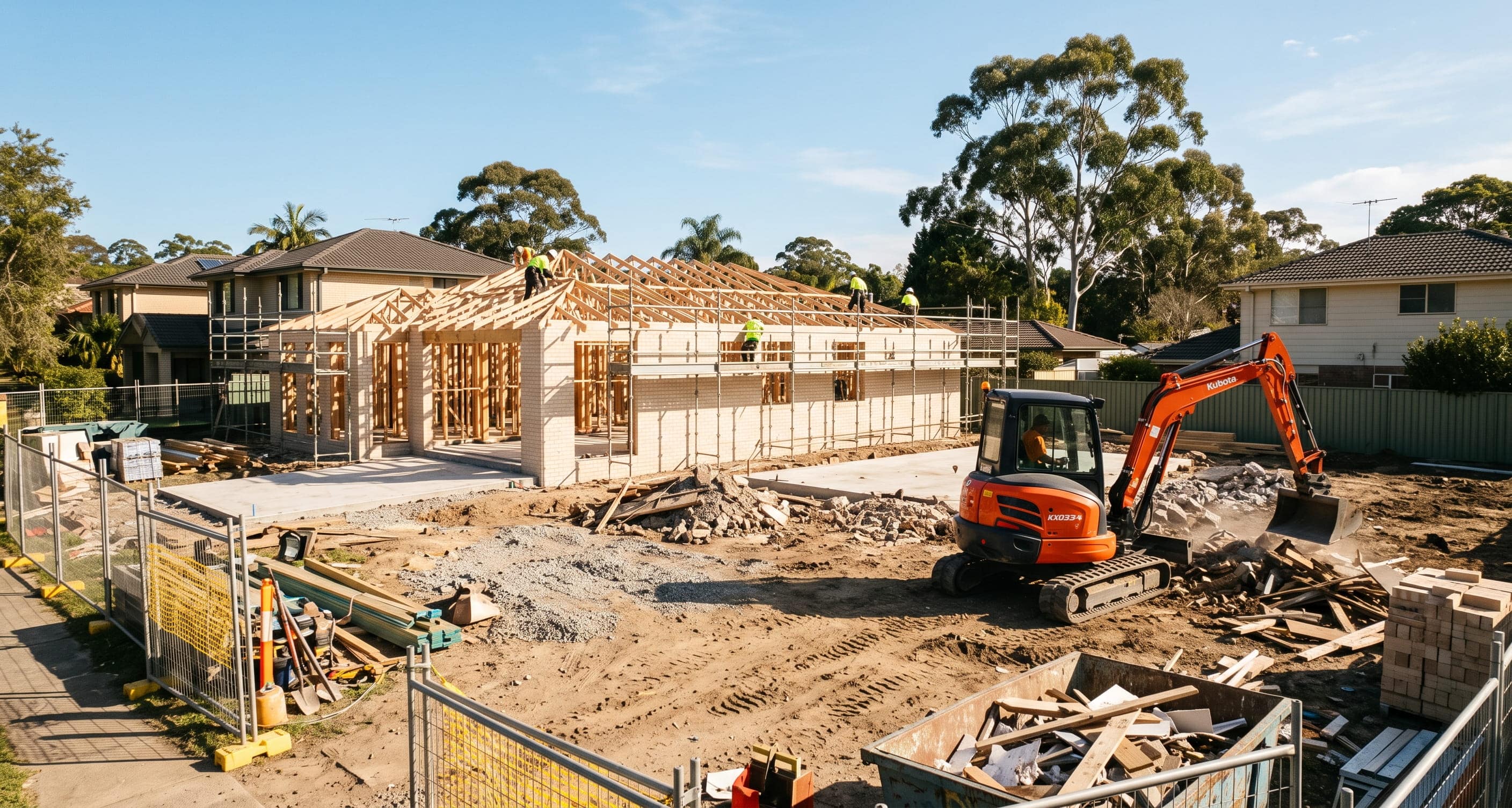
Quick answer: To find a reliable knockdown rebuild specialist, check they hold a current NSW builder’s licence, have completed knockdown rebuild projects specifically (not just renovations), and can show you a fixed price contract with clear inclusions before you sign. Ask for recent local references, confirm they manage council approvals and demolition permits in-house, and be wary of quotes that seem too low, since knockdown rebuilds have cost variables that inexperienced or dodgy builders often leave out. A specialist should be able to walk you through the whole process, from demolition through to handover, without vague answers. If you’re asking this question, you’ve probably already worked out that your current house isn’t worth saving. Maybe the layout doesn’t work anymore, maybe a renovation quote came back more expensive than starting fresh, or maybe you’ve just done the sums and realised a rebuild gets you more house for your money. Wherever you’re at, the next problem is real: how do you find someone who’ll actually do this properly, on time, and without blowing the budget halfway through? This is a fair worry. Knockdown rebuilds involve more moving parts than a standard new build, demolition, site conditions, council requirements, sometimes asbestos, sometimes tricky blocks. A builder who’s mostly done project homes on vacant land might not have the experience to handle all of that smoothly. Here’s what to actually look for. Check Their Licensing and Insurance First This is the non-negotiable one. Every builder working in NSW needs a current licence through NSW Fair Trading, and for knockdown rebuilds specifically, you want a licence class that covers residential building work at the scale you’re planning. Ask for their licence number and check it yourself on the NSW Fair Trading licence check tool. Also confirm they carry home building compensation cover, sometimes still called home warranty insurance, which protects you if something goes wrong during the build. A builder who’s cagey about sharing this information, or who says “don’t worry about it,” is telling you something important. Look for Actual Knockdown Rebuild Experience There’s a difference between a builder who does new builds on empty blocks and one who specialises in knockdown rebuilds. The rebuild side involves demolition contractors, asbestos assessments if the home was built before 1990, site access constraints on established blocks, and often trickier council approval pathways because you’re working within an existing streetscape. Ask to see completed knockdown rebuild projects, not just any home they’ve built. A builder like Dhursan Construction’s knockdown rebuild service will usually have a portfolio you can walk through, and photos of similar sites to yours, whether that’s a narrow inner suburb block or a larger block out west. Ask How They Handle Council Approvals This is where a lot of projects stall. Most Sydney knockdown rebuilds can go through a Complying Development Certificate (CDC), a faster approval assessed by a private certifier rather than council. A full Development Application is only needed if your property doesn’t meet CDC standards, which usually comes down to heritage listing, a heritage conservation area, or a flood, bushfire or other overlay on the land. A reliable specialist should be able to explain, in plain terms, which pathway your property is likely to need and roughly how long it will take. If they shrug this off or give vague timeframes, that’s a red flag. Builders who work regularly across specific council areas, such as Sydney’s Hills District or the outer west, tend to know the local quirks because they deal with the same councils repeatedly. Get a Real, Fixed Price Quote in Writing The biggest source of stress in any build is cost blowouts. A trustworthy builder will give you a fixed price contract that spells out exactly what’s included, demolition, site costs, fixtures, floor coverings, and so on, rather than a vague ballpark figure with a long list of things “to be confirmed later.” If a quote looks unusually cheap compared to others, ask why. Often it’s because demolition, site works, or council fees have been left out and will show up later as variations. Talk to Past Clients, Not Just Read Reviews Online reviews are a start, but a genuine conversation with a past client tells you more. Ask the builder for two or three recent knockdown rebuild clients you can call. Ask those clients how communication was during the build, whether the final price matched the quote, and whether the timeline held up. This is one of the most reliable ways to separate a builder who talks well from one who delivers well. Consider What Happens After Demolition A good knockdown rebuild specialist doesn’t just tear the old house down and disappear until the slab goes in. Ask how they manage the gap between demolition and construction starting, who handles site fencing and safety, and what your options are if you need somewhere to live in the meantime. If you’re still deciding on the design itself, it’s also worth looking through display homes or home design ranges from your shortlisted builders to get a feel for their standard of finish before committing. If you’re weighing up whether a knockdown rebuild is even the right move compared to a major renovation, that’s worth working through with a builder directly, since the right answer depends heavily on your block, your budget, and how much of the existing structure is actually worth keeping. Builders in Sydney who offer both renovation and knockdown rebuild services can usually give you an honest comparison rather than pushing you toward whichever option suits them. FAQ  How much does a knockdown rebuild cost in Sydney? Costs vary widely depending on block size, site access, demolition complexity, and the size and finish level of the new home, but most Sydney knockdown rebuilds start from around $600,000 and can run to $1 million or more depending on scope. Get a written, itemised quote rather than relying on a rough per-square-metre figure, since those often exclude site works. How long does a knockdown rebuild take from
Read More »
rebuild construction

What are the best steps to start a rebuild construction project?

Quick answer: Starting a rebuild construction project involves five main steps: getting a site and feasibility assessment, sorting your finance and budget, choosing a builder and locking in a fixed price contract, obtaining council or private certifier approval, and then demolition followed by construction. In NSW, most knockdown rebuilds on a standard residential block can go through a Complying Development Certificate (CDC) rather than a full council DA, which can save months. The right order matters because skipping ahead, especially on approvals and finance, is where most delays and cost blowouts happen.   A knockdown rebuild rarely starts with a clear plan. It usually starts with a growing list of reasons the current house doesn’t work anymore, and a nagging sense that renovating won’t fix the real problem. Once that decision is made, the questions shift fast: what approvals are needed, what it actually costs, and which step has to happen before the next one can even start. The process itself isn’t complicated once you know the order. Most of the stress people run into comes from doing things out of sequence, particularly around finance and approvals. Here’s how it should actually run. Step 1: Assess your site before you fall in love with a design Before you get attached to a floor plan, get your block properly assessed. This means understanding your zoning, easements, flood or bushfire overlays, slope, soil type, and whether there’s anything heritage listed nearby that could affect approval. A sloping block or one with a sewer main running through it changes what you can build and what it costs. This is also the stage to get a survey done if you don’t already have a recent one. Step 2: Sort your budget and finance early Rebuild costs cover more than the new house. You need to budget for demolition, disconnection of services, site preparation, any asbestos removal if the home is older, temporary accommodation while you’re between houses, and a contingency for the unexpected. Council development contributions can also apply and vary significantly depending on your council and catchment, so it’s worth checking the applicable rate with your council early rather than assuming a figure. Most lenders treat a knockdown rebuild differently to a standard mortgage, often requiring staged drawdowns tied to construction milestones. Talk to your bank or broker before you talk to builders, so you know what you can realistically spend. Step 3: Choose a builder who works in rebuilds, not just new estates Not every builder is set up for knockdown rebuild work. It requires managing demolition contractors, dealing with existing site conditions, and coordinating approvals that differ from a vacant land build. Ask any builder you’re considering how many rebuilds they’ve completed in your council area, what’s included in their fixed price, and how they handle unexpected site issues once demolition starts. If you’re weighing up a rebuild against other options, it’s worth browsing a display home to get a feel for finishes and layout before you commit to a design. Step 4: Get your approvals sorted before you sign anything final In New South Wales, a lot of standard knockdown rebuilds can go through a Complying Development Certificate through an accredited private certifier, which is generally faster than a full Development Application through council. Whether you qualify depends on things like block size, height limits, and setbacks, and certain sites are excluded from the CDC pathway altogether, including those that are heritage listed, flood prone, or bushfire prone. Your builder or a certifier can tell you early which pathway applies to you, and this should happen before you finalise your contract, not after. Step 5: Demolition, site works, and construction Once approval is granted, demolition happens first, followed by disconnection and reconnection of services, then the usual build stages: slab, frame, lock-up, fit-out, and handover. A good builder will walk you through a realistic construction timeline at contract signing so you’re not guessing month to month. If you’re still deciding between knocking down and rebuilding versus renovating, our knockdown rebuild page breaks down when each option makes more sense. As a Sydney based builder working across council areas from the Hills District to the South West, Dhursan Construction manages the approval and build process end to end so you’re not left chasing certifiers and contractors yourself. FAQ How long does a knockdown rebuild take in Sydney? From approval to handover, most single dwelling rebuilds take between 12 and 14 months, depending on council processing times, weather, and how complex the design is. Do I need a DA or can I use a CDC for my rebuild? Many standard residential blocks qualify for a Complying Development Certificate, which is faster than a full DA. Blocks with heritage overlays, steep slopes, or non-standard zoning usually need to go through council. What happens to my existing home during demolition? A licensed demolition contractor removes the structure, checks for asbestos if the home was built before the 1990s, and clears the site down to a level pad ready for construction. Can I live on site during a knockdown rebuild? No. Once demolition starts you’ll need alternative accommodation for the full build period, so it’s worth factoring rent or temporary living costs into your budget early. How do I choose between a display home design and a custom build for my rebuild? It comes down to how much you want to change from a standard layout. A display home design is a faster, more predictable option, while a custom build gives you more control over layout and inclusions if your block or lifestyle needs something different.

Read More »
dreaming to buy a house in australia

When Is The Best Time To Buy A House in Australia?

Are you tired of watching your hard-earned money disappear into your landlord’s pocket every month? You are not alone. Like many other Australians, if you are dreaming of a place that you can truly call your own, knowing the best time to buy a house can be the key to turning that dream into reality. Before you pay someone’s mortgage loan with rent, invest in yourself by exploring the optimal timing for purchasing a home in Australia. The best time to buy a house in Australia often aligns with market trends and seasonal fluctuations. Typically, autumn and winter tend to be favourable periods for buyers. The fear of missing out on favourable opportunities or overpaying for a property can leave even the most confident buyers feeling hesitant and indecisive. In this blog, we will provide you with insights into the best time to buy, ensuring you make a savvy investment whether you’re aiming to secure your dream home or expand your investment portfolio.   Factors to Consider When Buying a House. When buying a property, several factors should be carefully considered to ensure a successful and satisfying purchase. Firstly, your budget plays a crucial role in determining the type of property you can afford. Consider your income, savings, and any additional costs associated with homeownership, such as property taxes and maintenance expenses. Next, location is key. Evaluate factors such as proximity to amenities, schools, work, and public transportation. Additionally, consider the neighbourhood’s safety, community vibe, and potential for future development. Furthermore, think about your long-term needs and lifestyle preferences. Are you looking for a family-friendly home with ample space and a backyard, or a trendy urban loft with easy access to entertainment and nightlife? Assessing your priorities will help narrow down your search and find a property that aligns with your lifestyle. Additionally, interest rates can significantly impact your mortgage repayments. When interest rates are low, it may be a good time to consider buying a house, as it can result in lower borrowing costs and potentially more affordable monthly payments. Monitoring the real estate market is crucial. Generally, a buyer’s market with more properties available and lower prices can offer better opportunities. This can occur during economic downturns or when there’s less demand compared to supply. Finally, don’t overlook seasonal trends, as they significantly influence the housing market. Ever wondered how seasonal fluctuations impact real estate? When is the best time to buy a house in Australia in 2024? Autumn Autumn emerges as the best season to buy a house in Australia. As temperatures cool and leaves begin to fall, so do housing prices, presenting prime opportunities for prospective buyers. With fewer competitors in the market, negotiating power often shifts in buyers’ favour, potentially allowing them to secure their dream home at a more affordable rate. Additionally, the milder weather in autumn offers pleasant temperatures that make it enjoyable to attend open houses and inspect properties. Winter Winter offers a chilly yet advantageous climate for buyers to enter the housing market. With fewer buyers actively searching for properties, buying a house in winter presents favourable conditions for negotiation. Sellers listing their properties in winter are often motivated to sell, whether due to personal circumstances or a desire to move before the end of the year. Thus, home buyers may find themselves in a stronger position to negotiate both price and terms, paving the way for securing a property that aligns with their needs and budget. Important Considerations: Limited Selection: While potentially a buyer’s paradise, the number of properties on the market is typically lower in Autumn and Winter. You might have fewer options to choose from compared to peak seasons. Seasonal Factors: When considering a property in autumn/winter, be sure to factor in potential seasonal issues. For example, a lack of sunlight during winter could require additional lighting solutions. Also Read: Complete Checklist for Moving into New House What time of the year is the hardest to buy a home? Spring Season As the flowers bloom and the days grow longer, spring brings a sense of renewal and opportunity to the property market. However, it’s also regarded as the worst time to buy a home due to the heightened competition and soaring prices. With more buyers entering the fray, bidding wars become commonplace, driving prices higher and creating fierce competition for desirable properties. Additionally, the wider selection of properties can create a sense of urgency among buyers, leading to quick decision-making and potentially overlooking important considerations. As a result, buyers should approach the spring season with caution, ensuring they are prepared to navigate the challenges of increased competition and make informed decisions to secure their desired property. Summer Season As summer rolls around, it’s tempting to imagine yourself settling into your new home under the warm sun. But have you thought about the potential pitfalls of buying during this season? With fewer properties hitting the market and increased demand from buyers, options may be limited, and prices may be inflated. Additionally, the holiday season during summer can make it more challenging to coordinate inspections, negotiations, and other aspects of the buying process, as many people may be on vacation or taking time off.   Tips for buying a house at the right time. The Australian property market can be a tricky beast. Prices fluctuate, the competitions, and navigating the seasons can feel like a strategic dance. Here are some tips to help you time your house purchase and snag your dream home: Market Analysis: Investigate the local real estate market in depth. Examine past data, present patterns, and projections to determine whether or not the housing market will crash. For example, it may be a smart idea to buy in a certain neighbourhood if you observe a tendency of declining property prices over a few months. Interest Rate Evaluation: Monitor on prevailing interest rates and mortgage trends. Purchasing during periods of low-interest rates can result in lower monthly payments and overall savings over the life of the home loan. Seasonal

Read More »

Enquiry For How do I find reliable knockdown rebuild specialists in my area?

One of our agents will contact you soon!

Blank Form (#6)

Enquiry For How do I find reliable knockdown rebuild specialists in my area?

One of our agents will contact you soon!

Contact Us Form